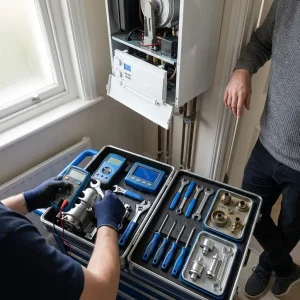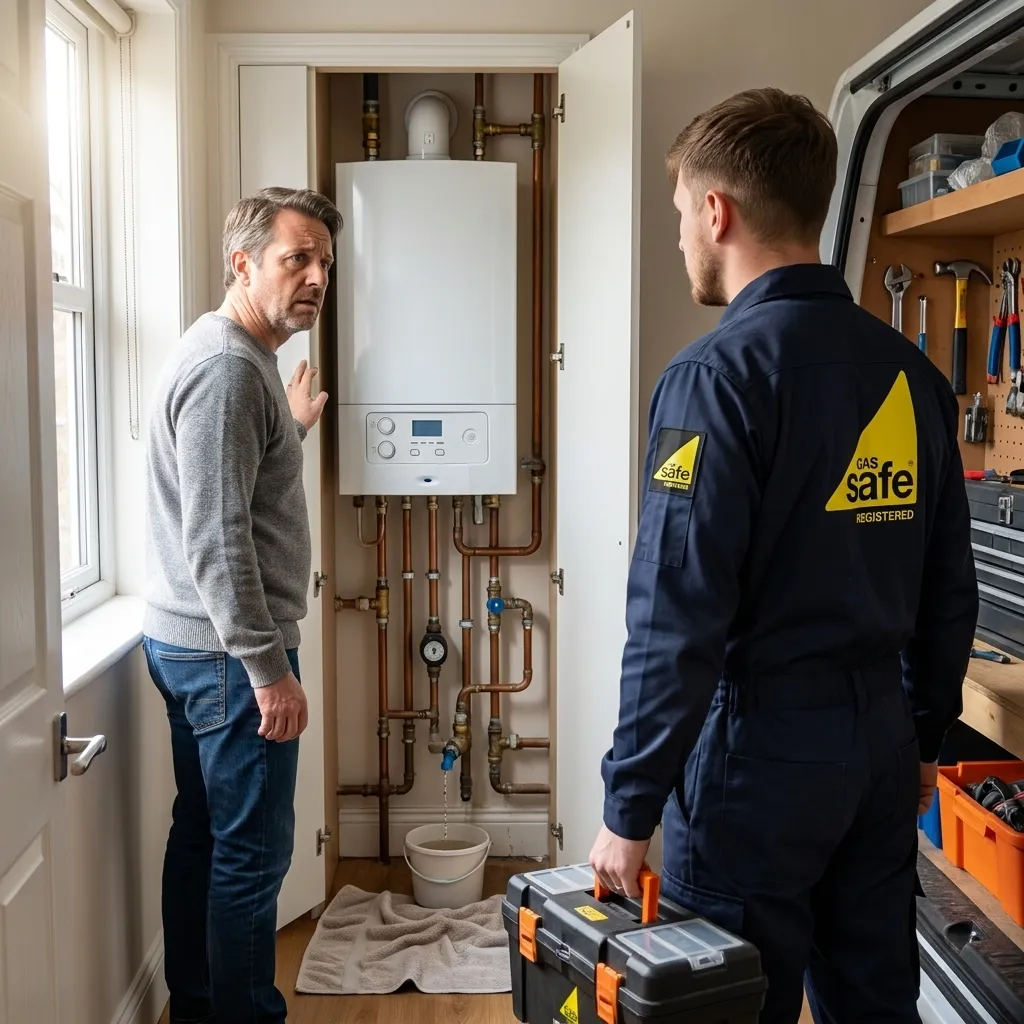
A boiler failure usually happens at the worst possible time. Early in the morning. Late at night. Or right in the middle of a freezing North London week, which can feel especially tough. When the heating stops working or the hot water suddenly goes, panic can set in fast, and emergency boiler repair may suddenly become the priority. If there’s a gas smell, strange noises, or an error code flashing on the display, it can seem even more urgent.
The good news is that there are safe, simple things to do before help arrives. Knowing the right steps can help protect your home and family, and it may also be better for the boiler. In many cases, it gives the engineer a clearer place to start when they arrive, which usually saves time. That applies whether it’s an emergency boiler repair in a private home, a fast boiler repair in a rental property, trusted gas boiler repair for a managed flat, or just wanting to know what may be going on before anyone gets there.
This guide explains how to spot warning signs, which checks are safe to do yourself, and what details to gather. It also covers what tenants and landlords should do next. The aim is to help people stay safe, avoid making the problem worse, and feel more ready when the engineer arrives. That kind of preparation often makes the visit smoother and, in most cases, helps the issue get explained clearly.
Start With Safety Before Emergency Boiler Repair
Before checking pressure levels, thermostats, or reset buttons, pause and put safety first. Some boiler problems are just annoying and fairly simple to sort out. Others can be genuinely dangerous. The biggest concern is carbon monoxide because you cannot see it, smell it, or taste it. London Fire Brigade attended 1,714 carbon monoxide-related incidents in London between August 2024 and July 2025, up from 821 between August 2019 and July 2020. Across the full period from August 2019 to July 2025, London recorded 7,764 carbon monoxide-related incidents. In England, 58 carbon monoxide incidents were logged between October 2023 and October 2024, and faulty boilers were linked to 12 of them.
If there is a smell of gas, a suspicion of a carbon monoxide leak, or someone feels unwell with symptoms such as headache, dizziness, sickness, or confusion, trying to fix the boiler right away is not the right move, even if the problem seems minor.
The UK Health Security Agency says: ‘If you think a gas appliance is leaking carbon monoxide, call the free National Gas Helpline immediately on 0800 111 999.’
Northern Gas Networks also warns: ‘If you think you may have carbon monoxide poisoning, immediately turn off the appliance you think may be causing it, open windows and doors, leave the building and seek urgent medical advice.’
Safe first steps are:
- Turn the boiler off, but only if you can do it safely
- Open windows and doors to let fresh air in
- Leave the property if you think there’s a gas leak or carbon monoxide risk
- Call the National Gas Emergency Service on 0800 111 999
- Get medical advice if anyone feels unwell
The main point is simple: if there is any chance of gas or carbon monoxide, getting out comes first and the boiler can wait until later. In a situation like this, that quick decision will often matter more than checking pressure or pressing a reset button.
Safe Checks You Can Do Yourself Before Emergency Boiler Repair
If there’s no smell of gas and no sign of carbon monoxide risk, there are a few simple things you can usually check before the engineer arrives, and none of it needs to be complicated. These steps don’t replace professional boiler repair, but they can still help you get a better idea of what’s going on before help arrives.
Check the thermostat and programmer
Start with the simple stuff: make sure the thermostat is turned up and the timer settings are right. If the thermostat is wireless, a flat battery can stop the heating coming on, so it is usually worth checking that too.
Look at the boiler pressure
A lot of systems usually work best at around 1 to 1.5 bar when cold, which is pretty typical, though the exact range depends on the model. Don’t guess, because very low pressure can make your boiler lock out and it’s often not worth the risk.
Only top up the pressure if you already know how your filling loop works and your manufacturer says it’s okay.
Check for a power issue
You might find a tripped fuse spur, a power cut, or a switched-off socket causing the problem. It sounds basic, but this happens a lot, so it’s worth checking first.
See if condensate pipe freezing may be the issue
In very cold weather, a frozen condensate pipe can stop a condensing boiler, and this often happens in winter. You might also hear gurgling sounds or, in some cases, see a lockout code when this is the cause.
Read the error code for emergency boiler repair
Take a photo of the display, it really helps. It can often make gas boiler repair quicker later, especially when you’re explaining the issue.
What you should not do usually matters just as much here. So don’t open the boiler casing, and don’t try DIY gas boiler repair yourself. If the unit will not stay on, repeatedly resetting it is not a good idea either.
What to Turn Off, What to Protect, and What to Record During Emergency Boiler Repair
Once any immediate gas risk is ruled out and the basic checks are done, the next step is to limit damage and note the details that matter most. This part often gets missed, which is understandable. But it can make an emergency boiler repair visit quicker and much smoother, especially the first time.
Turn off the boiler if it is leaking or making loud noises
A small drip, banging sounds, or repeated shutdowns can point to a deeper fault. So switching the boiler off may help avoid extra strain. If water is leaking near electrics, do not touch anything. And keep clear, because that is usually the safest move.
Protect nearby areas from water damage
If it’s safe, putting a bowl or towel under a small leak usually helps right away. It’s also a good idea to move nearby items out of the area. If the leak is heavier, though, turn off the water supply only if you know which valve to use.
Write down what happened
Make a quick note of:
- When the problem first began
- Whether the heating stopped, the hot water stopped, or both
- Any error codes
- Any noises, smells, or leaks, even small ones, or whether the problem comes and goes
Take clear photos
Clear photos of the boiler screen, any leak, the pressure gauge, or another affected area can help a boiler engineer get ready before arriving, which often makes the visit smoother. It also helps to show the exact spot where the problem appears, so they are not left guessing.
According to HSE guidance, households should not rely on carbon monoxide alarms alone. Alarms should be used with annual servicing, flue or chimney checks, and checks by a Gas Safe registered engineer. This matters in every season, not only in winter. An emergency can still happen today, even while prevention work stays important throughout the year.
One common mistake is trying lots of random internet fixes. That can hide the real fault, void warranties, or simply make the engineer’s visit take longer. In most cases, it is better to leave it alone.
Why Gas Safe Matters in an Emergency Boiler Repair Situation
When you’re cold and stressed, it’s completely understandable to go with the first help you find. But gas work usually isn’t something to hurry. In the UK, only Gas Safe registered engineers can legally carry out gas work, and the register includes more than 148,000 gas engineers.
The Cross Government Group on Gas Safety and Carbon Monoxide Awareness puts it simply: ‘Have your heating and cooking appliances checked by a Gas Safe® registered’. It’s short and clear. That advice can matter even more in urgent situations, because that’s often when people feel under pressure to act too fast.
For homeowners, using the right professional helps protect both family and property. For landlords and managing agents, it also helps protect their legal position. If a tenant reports no heating in winter, speed matters, but using the right person matters too. In rented homes, a broken boiler in winter is generally treated as an emergency, especially in colder weather. Repairs should usually be arranged within 24 hours, and temporary heating may be needed, such as portable heaters.
In North London, older housing stock and converted flats can make faults harder to trace. High rental turnover can add to that. A proper gas boiler repair visit may include checks on the flue, gas supply, ignition parts, pressure, system water, and controls. That is a lot to check, which is one reason these visits often need careful, step-by-step work. Clear notes and safe access are useful for that process too.
If you want a local example of a plumbing and heating company focused on residential boiler issues, Emani is one option in North London. However, for any gas-related boiler repair, always use a Gas Safe professional.
It can also help to understand when repairs stop being practical. For example, Boiler Replacement in 2026: When Repair Stops Making Sense explains some of the signs that replacement may become the better long-term option.
What Homeowners, Tenants, Landlords Should Do Differently
The same boiler fault often means different responsibilities, and that’s pretty common. It usually depends on who lives in the property, which often changes who needs to deal with it.
If you are a homeowner
Your main job is to keep things safe and give a clear report. If needed, switch the boiler off, since that is often the safest move. Note the signs and be ready to explain what happened. If you have warranty paperwork and past repair records, keep them nearby because you will likely need them.
If you are a tenant
Tell your landlord or managing agent about the problem right away, and don’t wait. Be clear and specific about what’s going on, especially if there’s no heating or hot water, a leak, or a gas smell. If there’s any safety risk, it’s usually best to call the gas emergency number first, even at night instead of waiting for office hours.
If you are a landlord or property manager
Treat winter breakdowns as urgent. Keep a record of the report, the response time, and any temporary heating you offered, because that often helps. Also check that carbon monoxide detectors are installed where required. In England and Wales, landlords must provide carbon monoxide detectors in rooms with fuel-burning appliances, with an England-only exception if the only appliance is a gas cooker.
Local support can often make this easier. A North London plumbing and heating service with emergency callout experience may get there faster than a national chain. They may also already know the common property layouts in the area, which can sometimes save time.
Be Ready for the Engineer to Arrive for Emergency Boiler Repair
A little preparation usually saves time when the engineer gets there. It can also help avoid delays if extra parts are needed or if the job ends up needing follow-up work, which is fairly common with boiler issues.
A few simple steps can help first:
- Clear access to the boiler, its controls, and the hot water cylinder if there is one
- Keep children and pets away from the area where the engineer will be working
- Have the boiler make and model ready
- Gather any service history, warranty papers, recent repair notes, or a note of other symptoms in the home, such as cold radiators, low pressure, or dripping pipes
For anyone managing more than one property, it often helps to keep a standard fault log. It is a small step, but it can make repeat boiler repair issues much easier to spot across different homes, especially when the same problem keeps appearing.
The longer-term direction of heating in some new-build policy plans is moving away from fossil fuel systems. Even so, most existing North London homes still rely heavily on gas boilers right now. That means fast and safe gas boiler repair will probably still be important for years.
Regular maintenance can also reduce the risk of sudden breakdowns. For example, Boiler Servicing in North London: What Homeowners Should Expect explains what a standard service usually covers and why it matters.
If a clearer picture of local heating help would be useful, a North London plumbing and heating service such as local boiler and plumbing specialists may give a better idea of the support available. The main thing is having a qualified engineer, accurate fault details, and a safe property ready for inspection.
Frequently Asked Questions
Should I turn my boiler off before the engineer arrives?
Yes, if the boiler is leaking, making unusual banging noises, or repeatedly locking out, turning it off is usually sensible. But if you smell gas or suspect carbon monoxide, leave the property and call the gas emergency number instead of staying to investigate.
Can I reset the boiler myself?
You can usually do one basic reset if your boiler manual allows it and there is no gas smell or safety risk. If the boiler keeps failing after a reset, stop there and wait for a professional boiler repair engineer.
What are the warning signs of carbon monoxide from a boiler?
Possible signs include headaches, dizziness, nausea, confusion, a boiler flame that looks unusual, or soot marks near the appliance. Carbon monoxide cannot be seen or smelled, which is why alarms, servicing, and fast action are so important.
Who should I call for emergency boiler repair in North London?
You need a Gas Safe registered engineer or heating company that handles emergency boiler repair. For local homeowners, tenants, and landlords, Emani is an example of a North London business focused on plumbing, heating, and boiler problems in residential properties.
Is a broken boiler an emergency for landlords?
In winter, yes, it is generally treated as an emergency in rented homes because it affects heating and hot water. Landlords should arrange repair quickly, usually within 24 hours, and consider temporary heating if the fix cannot happen at once.
Can a carbon monoxide alarm replace annual servicing?
No. According to government and NHS guidance, alarms are an extra layer of protection, not a substitute for servicing. A company like Emani may handle repair and heating support locally, but the key rule is broader: boilers still need regular checks by a qualified Gas Safe engineer.
The Smart Next Step When Your Boiler Fails
When a boiler stops working, safety usually matters more than comfort. First, check for gas leaks and any risk of carbon monoxide. If there’s any sign of danger, open the windows, leave the building if needed, and call 0800 111 999. After that, a few basic checks can help: look at the thermostat, the power supply, the pressure, and any error code, just the obvious things. But that’s the point to stop. Even if it seems manageable, DIY gas work is not worth the risk.
Once that’s done, the next step is really about making things easier for the engineer. Turn the boiler off if needed, and protect the area if water damage might be a problem. It can also help to take a few photos and write down what happened. If you’re a tenant, report the issue clearly and quickly. If you’re a landlord, a winter breakdown should usually be treated as urgent, especially in cold weather when heating and hot water matter most. Keep a record of what you did and when, because that is easy to miss.
Emergency boiler repair is stressful, but a calm checklist can make the situation easier. It helps with safety, and it can also help the engineer work faster. That often means a better chance of getting heating and hot water back without extra delay. In North London, reliable home heating matters to families, tenants, and property managers, especially in winter. So that bit of preparation can often save time and worry.